When Mould Means a Bigger Problem Than Cleaning
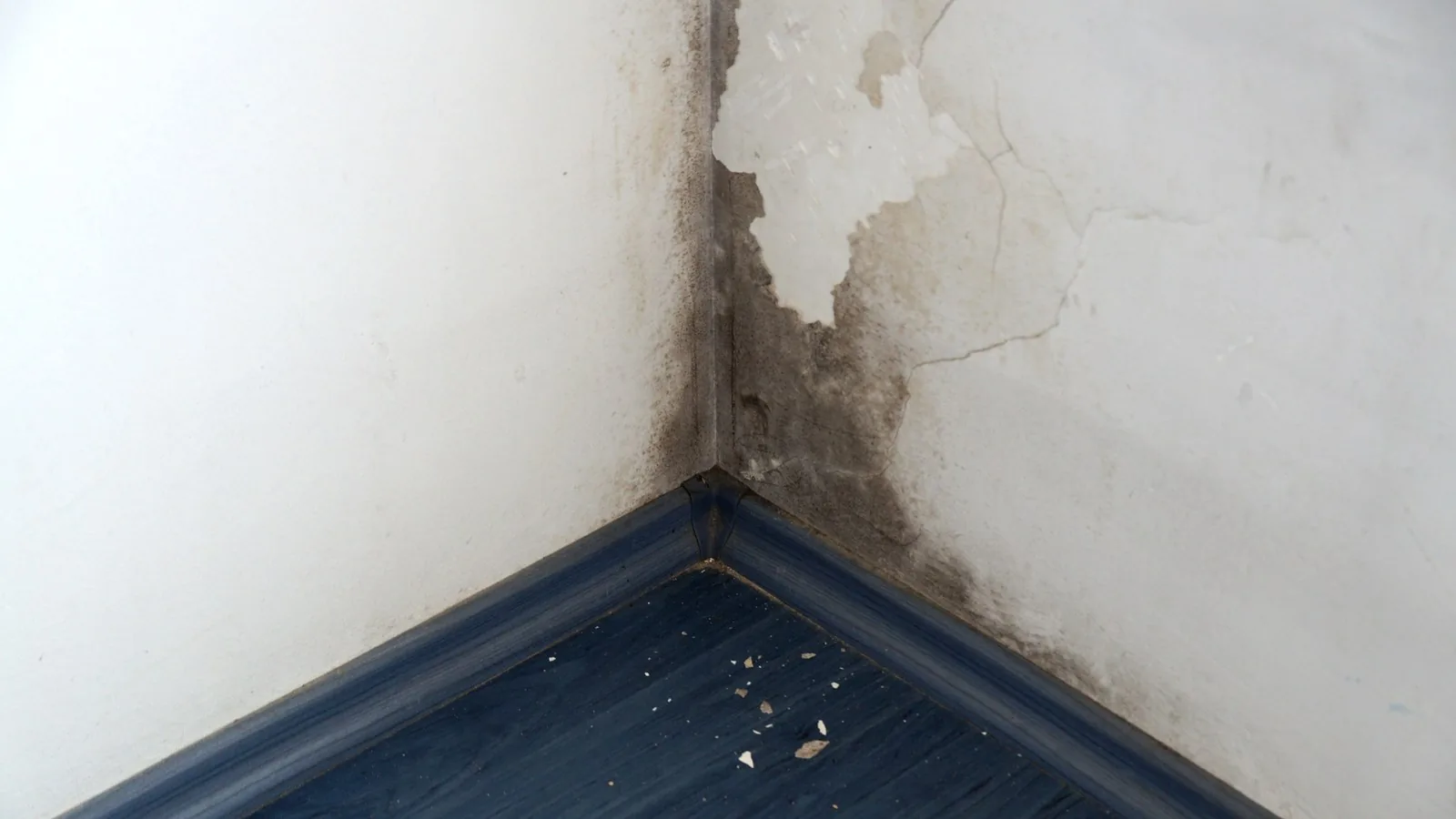
This site sells cleaning products, so believe us when we tell you to stop buying cleaning products in the following situations. A gel removes staining from a surface. It cannot dry out a wall, fix a leak, or ventilate a building, and mould in some patterns is a symptom, not the disease. Treating the symptom on repeat wastes your money and, worse, hides the evidence of a defect that's getting more expensive underneath.
Signs the mould is a symptom
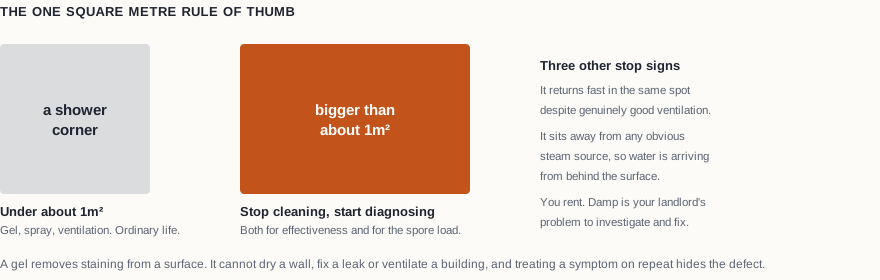
- It comes back fast in the same spot despite good ventilation. You cleaned it properly, the room is aired, humidity is sensible, and the patch is back within weeks. Something is feeding water to that spot from behind.
- The patch is on a wall or ceiling away from obvious steam sources. A mouldy shower corner is normal life. A mouldy patch in the middle of a bedroom ceiling, behind plaster, or climbing from skirting level is a moisture route: a roof leak, a pipe, a gutter dumping water onto the wall, or damp rising or penetrating through the fabric.
- It covers a large area. As a rule of thumb used by health bodies, anything much beyond a patch of about one square metre is past sensible DIY territory, both for effectiveness and for the spore load you'll disturb removing it.
- The surface is soft, bubbled or crumbling. Paint lifting, plaster blowing, wallpaper peeling with black behind it. The material is wet through. Cleaning the face of it achieves nothing.
- A musty smell with no visible mould. Growth inside a wall void, under flooring or behind furniture. Your nose has found what your eyes can't.
- Someone in the home has asthma, a weakened immune system, or is a baby or elderly. Mouldy damp housing is an established health risk for respiratory conditions. The threshold for taking it seriously drops when vulnerable people breathe the air.
Who you actually call
"Mould specialist" is not usually the first phone call, because remediation without fixing the water source is just professional-grade wiping. Work out the water first:
- Roofer or gutter firm for ceiling patches, stains after rain, or external walls green with overflow.
- Plumber for patches near bathrooms, kitchens or pipe runs, or a water meter creeping when everything's off.
- Damp surveyor when the cause isn't obvious. Prefer an independent surveyor you pay for the report over a free survey from a company that sells damp-proofing, for the reason you'd expect.
- Mould remediation firm once the source is fixed, for large-area growth, contaminated soft materials or wall voids.
If you rent
Damp and mould in rented homes is your landlord's problem to investigate and fix, not yours to bleach away every month, and UK law has moved firmly in tenants' favour on this in recent years. Report it in writing with photos, keep copies, and if the landlord doesn't act, escalate to your council's environmental health team. Social housing has explicit legal timescales for damp and mould since Awaab's Law began coming into force; check the current position, because rules have been extending to more cases over time. Don't let a landlord tell you a whole-wall mould problem is your "lifestyle". Condensation from a structurally cold, unventilated building is a building defect.
What's still yours to handle
Small, surface-level, explainable mould is a DIY job: shower silicone, grout, window frames, the washing machine seal, the cold corner behind the wardrobe. That's what the products on this site are for, along with the ventilation habits that stop the cycle. Anything larger, recurring or unexplained: find the water first. Every pound spent on gel for a leak-fed wall is a pound spent hiding evidence.